The care guide
The body lasts for years. The lid is where the work is, and four minutes a week keeps it from smelling of Tuesday's coffee.
First wash, and every wash after
Wash a new cup before the first drink: warm water, a little dish soap, a rinse. We recommend hand washing the body even on the 26 pieces we state as dishwasher safe, because the powder coat stays bright longer and the vacuum seal at the base is never asked to sit through a drying cycle. Do not use bleach or fabric softener: both leave a film on steel that you will taste.
The sliding cover, off its two tabs
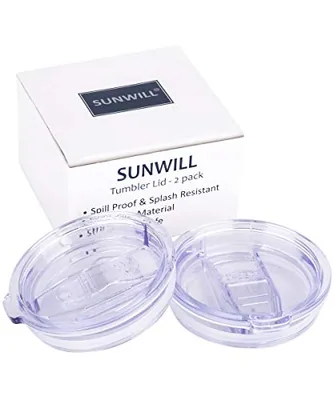
The slider on our mug and tumbler lids is held by two tabs. Push the tabs gently inward and the slider lifts out; it goes back in the same way and sits as tight as it did new. Wash it apart from the lid, dry both, put it back. The grounds and the film that make a lid smell live under that slider, and nothing reaches them while it is in place.
The gasket
The silicone gasket pulls out of its groove with a fingernail. Wash it in warm soapy water, dry it fully, and put it back before you put the lid on. A gasket that goes back wet grows the smell you were washing away. Replace it when it stops sitting flat in the groove; the lids in our replacement department come with theirs.
The dishwasher, honestly
| Part | Dishwasher | What we recommend |
|---|---|---|
| Powder-coated body | Stated safe on 26 pieces | Hand wash: the coat keeps its color longest |
| Bare stainless body | Yes | Top rack if you must, hand wash for the base seal |
| Lid and slider | Top rack, under 155 °F | Take the gasket out first |
| Silicone gasket | No | Warm soapy water, dry, back in the groove |
| Straw | Yes | A straw brush once a week |
The powder coat
Powder coat does not peel or fade in ordinary use, and that is a claim we make on 43 pieces. What it does do is scratch when it meets a set of keys in the same bag, and a scratch through to the steel is cosmetic, not structural: the cup still insulates. If you want a cup that will never show a mark, choose a bare stainless one.
Coffee rings and the inside
A teaspoon of baking soda in warm water, left for ten minutes, lifts a coffee ring from the stainless inside. For a smell that has settled in, do the same with the lid off and the cup upside down on a towel overnight. We do not recommend bleach inside a vacuum cup.
FDA’s current perspective, based on its most recent safety assessment, is that BPA is safe at the current levels occurring in foods.
U.S. Food and Drug Administration, Bisphenol A (BPA): Use in Food Contact Application. Read 23 August 2026. Source
Our lids and straws are stated BPA-free on 49 pieces. We do not make claims about materials we have not stated per piece.