Care: the lid, the gasket and the coffee smell
The body of an insulated cup lasts for years. The lid is where the trouble lives: a gasket that holds yesterday's milk, a slider that traps grounds, a powder coat that meets a set of keys. This is how we keep ours clean.
Four parts, four different jobs
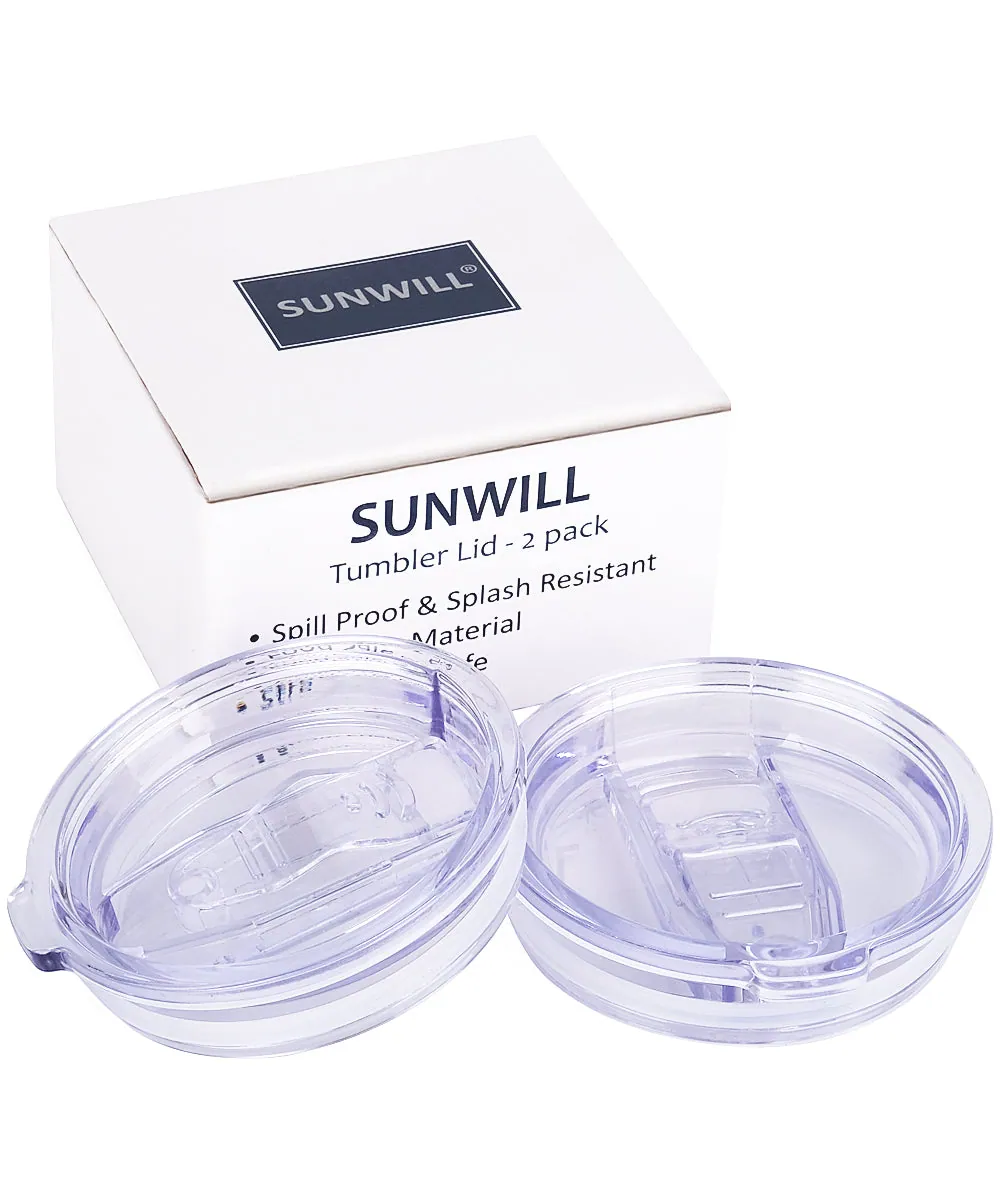
Each of our tumblers and mugs breaks down into four parts, and each part has its own job and its own way of getting dirty. The lid body keeps a splash inside when you tip the cup, but it will not seal tight in a bag. The slider moves open and closed with a thumb. It lifts off two small tabs on the lid, so you can wash underneath it without fighting a crevice.
Beneath the slider sits the gasket, a thin ring that makes the seal. That gasket does its job quietly for months, until the day you notice the smell of old coffee hanging around. And on the outside, the powder-coated finish protects the stainless steel. It will not peel or fade in the dishwasher, but it will pick up a scratch if you drop it in a pocket with your keys.
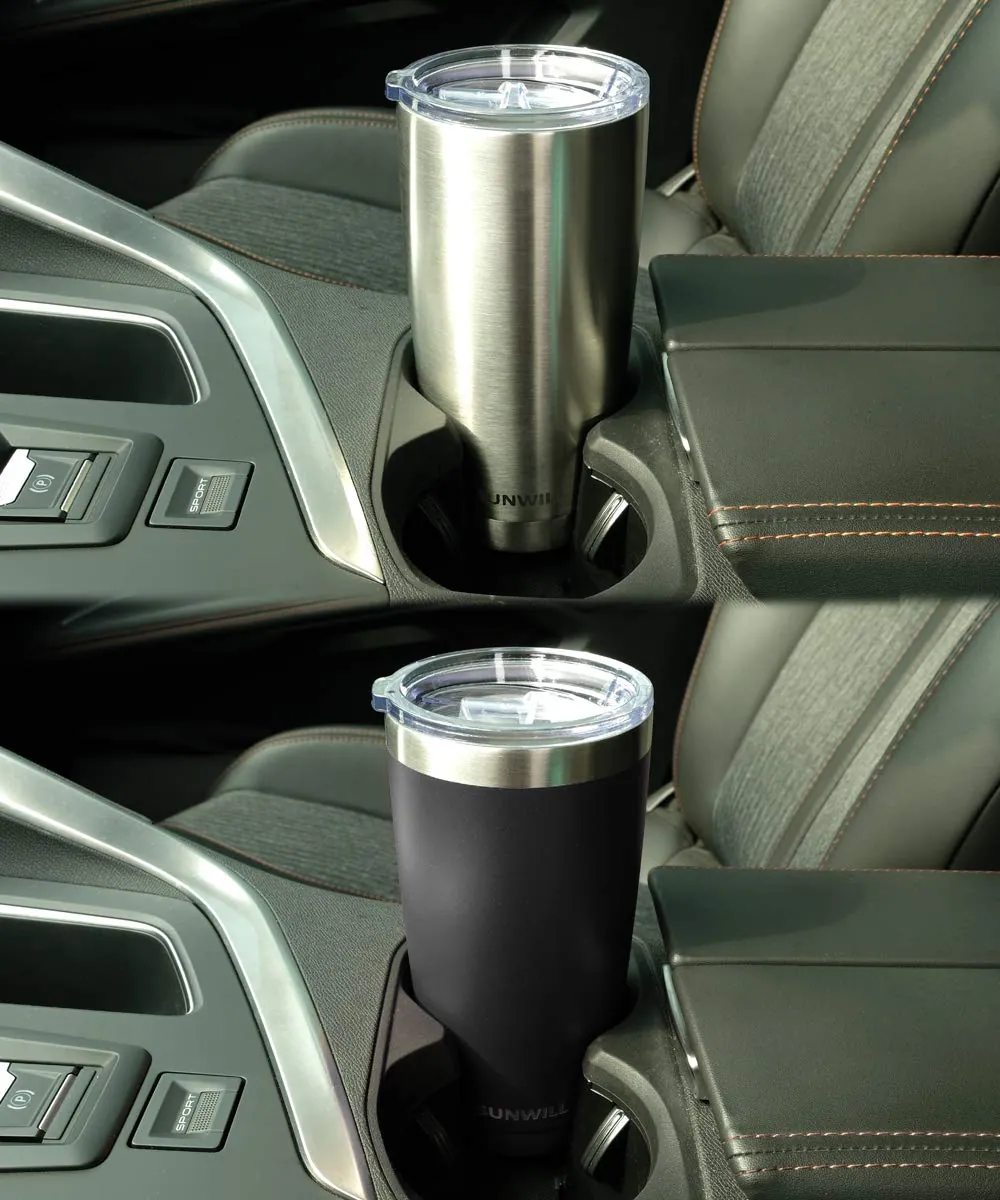
We design each of these parts to be cleaned separately, because they trap different things. The slider catches coffee grounds. The gasket holds milk and sugar residue. The powder coat meets gravel and hand lotion and the edge of a car cup holder. Treat them as one piece under the tap, and you will miss the spot that matters.
The next few sections walk through each part in turn. Once you know what the gasket is actually doing and why the slider lifts off, the weekly routine gets faster and the smell stops showing up.
Taking the slider off its two tabs
The slider lifts off. It isn’t glued or welded. It snaps onto two small tabs molded into the lid, and a firm pull from one corner frees it. You don’t need a tool, and you won’t break anything by taking it off. We designed it to be removed and reinstalled hundreds of times without loosening.
We rebuilt the lid more often than the body, and the removable slider was our answer to the one complaint we kept hearing: a fixed cover traps coffee oils and milk film where a rinse never reaches. The track underneath collects the residue. A lid that comes apart lets you get at that track with a sponge and warm water. No brush, no soaking in vinegar, just a moment of access that a fixed slider never gives you.
After washing, line the slider up with its two tabs and press down until you hear it click. It sits flush again and restores the splash-resistant fit. We wash ours by hand with dish soap, dry the track with a towel, and snap it back. The whole step adds about twenty seconds to a cleanup routine. It’s the single thing that keeps a lid from holding yesterday’s coffee in tomorrow’s water.
The gasket, and the smell that lives under it
Most of the smell people blame on a cup actually lives in one small part: the gasket. Coffee leaves oil behind. Milk leaves protein. Both settle in the groove under that ring, and a quick rinse with the lid still together never reaches them. We have done this ourselves. We rinse the lid, put it back, and the next coffee tastes fine for a day. Then the smell is back, and it is not the steel.
On our sliding lids, that gasket does a small, plain job. It slows drips and catches splashes at the rim. It is not a seal, and it will not keep a full cup safe inside a bag. We say that because people sometimes press the gasket back in harder, hoping for more. What it needs is not force. It needs to come out.
Once the slider is off, the gasket lifts with a fingernail. Warm water, a little dish soap, and a rub between your fingers does more than any hard scrubbing. We rinse it, pat it dry, and leave both pieces out where air can get at them. A damp gasket put straight back is half the problem. It sits in the groove wet and gives the next bit of coffee something to cling to.
If a ring still smells after a normal wash, we soak it in warm water with a drop of dish soap, rinse it, and let it dry fully. That usually clears it. When it does not, the smell is not a sign that the steel has failed. It is just a gasket doing its job in a warm, wet spot and holding onto what we put in it. The fix is simple, and the rest of the cup keeps working.
| Part | Dishwasher | What we recommend |
|---|---|---|
| Powder-coated body | Stated safe on 26 pieces | Hand wash keeps the coat longest, keys in the same bag scratch it |
| Stainless inside | Yes | Baking soda and warm water for coffee rings, no bleach |
| Lid and slider | Top rack, under 155 °F | Take the gasket off first, dry it apart |
| Silicone gasket | No | Warm soapy water, dry fully, back in the groove |
| Straw | Yes | A straw brush once a week |
What the dishwasher does, honestly
We recommend hand washing, and we say it on the page for every piece we make. That is not because the tumbler will fall apart in a dishwasher. It is because a machine does not know the difference between a lid that has come apart and one that has not. The body of the cup is stainless steel, and it will survive. The lid is the part we want you to treat like a good knife or a wooden board.
The lid, with the gasket pulled out, is dishwasher safe up to 155 °F. The gasket itself we would rather see washed by hand. It is a soft silicone ring, and it picks up a soap film in a hot cycle that can leave a taste in the next cup of coffee. A quick rub under warm water with a drop of dish soap does more for a gasket than a full machine cycle.
The sliding cover comes off its two tabs, and that is the whole trick. If you put a lid in the dishwasher with the slider still on, water and detergent get trapped in the track. It comes out looking clean and smelling like yesterday's milk. Take the slider off, pull the gasket, and the lid can go on the top rack. The body can go anywhere.
One honest limit: 26 pieces in our catalog say dishwasher safe, and we stand by that. The rest we mark hand wash. If you have put a powder-coated tumbler through a machine for a year and it still looks fine, we are not surprised. If the finish dulls after the first cycle, that is on us, not you. Write to us and we will sort it out.
Powder coat: what scratches it and what does not
All 43 of our insulated pieces get a powder coat. We settled on it years ago after watching painted finishes flake off in a dishwasher. A powder coat is a layer of dry polyester that we fuse to the stainless steel with heat. The result is a finish that does not peel, does not fade, and stays sweat-free on the outside even when the cup is full of ice water. It is the same kind of coating you find on a good bike frame or a set of outdoor furniture, and it is tougher than any wet paint we have tried.
Tough, but not scratch-proof. The thing that will mark a powder coat is a sharp metal edge rubbing against it. If you toss your tumbler into a bag with a set of keys, a multitool, or a handful of loose change, you will see fine scratches over time. A scouring pad or an abrasive cleanser will dull the surface, too. Fingernails, wooden utensils, and plastic straws will not do a thing to it. The coating is hard enough that normal handling, a commute, and a few drops onto a garage floor are not a problem.
What a scratch does not do is ruin the cup. The stainless steel underneath is the same 18/8 steel we use on every piece, and the vacuum insulation does not care about a surface mark. A scratched powder coat still keeps your coffee hot and your water cold. It just picks up a little character along the way. We have a few tumblers in the office that have been through hundreds of miles of trail and car cup holder, and they look it. They still work.
For anyone who wants to keep the finish clean, a soft sponge and warm soapy water are all you need. The powder coat sheds coffee and tea stains easily. If you do put it in the dishwasher, the heat and detergent will not cause peeling or fading, but we still recommend the top rack and a gentle cycle. The finish will outlast the gasket, and probably the lid. That is how we designed it.
BPA-free, and what the regulator says
Every plastic part on our lids and straws is BPA‑free. We mark that on the package and we say it plainly on the page, not as a selling point but as a baseline. BPA, bisphenol A, is an industrial chemical that used to show up in polycarbonate drinkware and food containers. Years ago, public health agencies flagged it as something worth avoiding, especially for hot liquids and repeated use. We took the same position most of the industry took: if there is a safer polymer that does the same job, use it.
The material we use for the sliding cover, the gasket, the straw and the mouthpiece is polypropylene. It is softer than the steel body, so the lid does not scrape the rim. It holds its shape in hot coffee and it does not add a plastic taste. And it is made without BPA. That is not a claim we tested in a back room. It is a property of the resin itself, documented by the supplier and confirmed by the independent lab reports we require with every batch.
What the regulator says is straightforward. The FDA banned BPA in baby bottles and sippy cups in 2012, and later in infant formula packaging. For adult drinkware, the agency has not set a ban. It has, however, published findings on the potential for BPA to migrate into food under heat, and it continues to study low‑dose exposure. We follow that work. We are not scientists, but we read the same updates our customers read. When the science moves, we want our materials to already be on the right side of it.
For us, BPA‑free is not a feature. It is the absence of a problem we never needed to create. We do not list it next to the powder coat or the vacuum insulation because it is not part of the performance. It is just the plastic we chose, and we chose it a long time ago.
FDA’s current perspective, based on its most recent safety assessment, is that BPA is safe at the current levels occurring in foods.
U.S. Food and Drug Administration, Bisphenol A (BPA): Use in Food Contact Application. Read 23 August 2026. Source
An ongoing review, not a closed case
We have changed the lid more than any other part. The body of a tumbler is straightforward: a steel shell, a vacuum gap, a weld. Once it holds cold and does not sweat, there is not much left to rework. The lid is different.
It has to open, close, seal enough to resist a splash but not so tight that you fight it with your thumb. It has to come apart for cleaning, because coffee oils and milk proteins will find their way under a gasket and stay there. And it has to survive hundreds of cycles without cracking or loosening. That is a harder problem.
The sliding lid we use now is the result of a long conversation with people who use our cups every day. Early versions did not separate. The slider was fixed, and cleaning meant running water through the gap and hoping for the best. It did not take many emails about a sour smell before we went back to the drawing board. The design we landed on lifts off two small tabs so you can get underneath it. That change came directly from feedback, and it is the main reason we do not treat a lid as a closed case.
We still pay attention. Every month we hear from someone who wants a tighter seal, or a lid that fits a different cup, or a version without a slider at all. We read every note. We drink from these tumblers ourselves, and when something bothers us we fix it. We test new gasket materials when they come along, but we are slow to switch.
A silicone that breaks down after six months of hot water is no help. The compound we use now has held up over time, so a new material has to earn its place. The lid you have today is not a final version. It is the one we trust right now, and we are already working on what comes next.
Based on FDA’s ongoing safety review of scientific evidence, the available information continues to support the safety of BPA for the currently approved uses in food containers and packaging.
U.S. Food and Drug Administration, Bisphenol A (BPA): Use in Food Contact Application. Read 23 August 2026. Source
Straws and chug lids
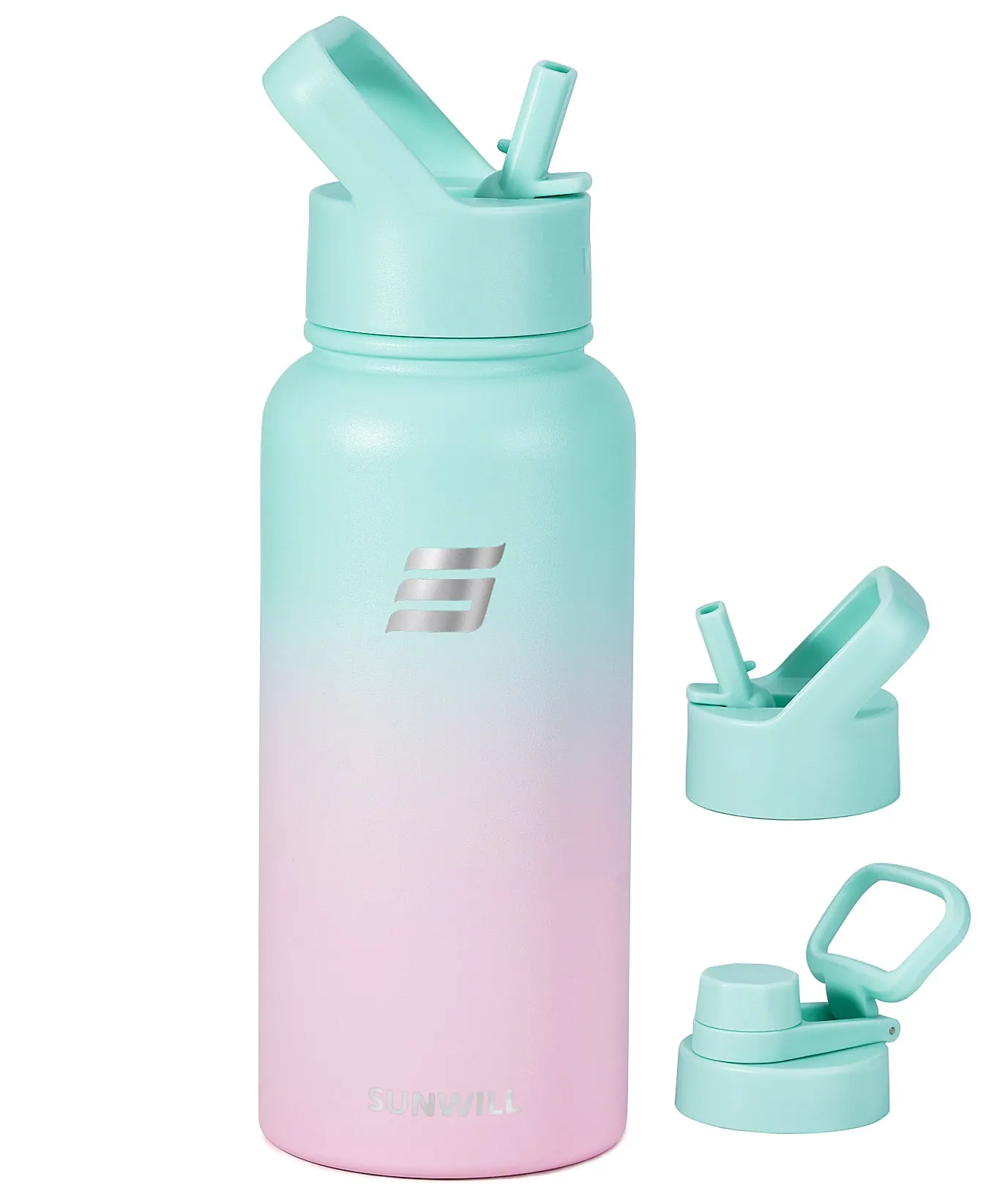
The straw lid sits on every one of our 13 straw tumblers. It is a simple flip cap with a silicone mouthpiece, and it comes apart without tools. The silicone piece inside peels out, the cap pops off, and what you are left with is two or three parts you can actually see and dry. That matters because a straw lid that stays wet smells sooner than a slider. We learned to keep it simple: less places for moisture to hide means less smell by the end of the week.
The straw lid is a cold-drink lid by design. A straw tumbler full of ice water will hold its chill 24 hours or longer, and in our tests the lid does not weep around the seal. Do not count on it for hot coffee. The silicone mouthpiece is comfortable to sip, but it can pick up lip balm and tea stains, so we wipe it with a damp cloth every evening.
The straw is a straight tube of the same BPA-free Tritan we use across the whole line. You pull it out of the lid and it is its own piece, and that piece needs its own cleaning schedule. We run a thin brush through it every couple of days, or drop it in the top rack of the dishwasher.
The dishwasher gets it clean, but we still inspect it under a light. The inside of a straw is the one surface you cannot wipe with a cloth, so if you smell something sweet six hours after a smoothie, that is where it is. For a deeper refresh, soak the straw in warm water with a drop of unscented dish soap for twenty minutes, then rinse until the water runs clear.
Our water bottles, all 9 of them, come with a screw-on chug lid. This is the lid we state as leak-proof. It has a wide mouth for gulping and a gasket seated in the cap. That gasket needs the same pull-and-wipe attention we described earlier, but the chug lid itself adds almost no taste to the water because the liquid contacts only steel and a thin silicone ring.
If you take the bottle on a hike, this is the lid to grab. The chug lid threads on over the straw opening, so you can leave the straw at home for a tighter seal. After a long week, we take the gasket out, wash the cap on the top rack, and dry the two pieces separately. Moisture trapped behind the ring will smell musty, and that is almost always the culprit when a leak-proof bottle takes on an odor.
When a lid should be replaced
Even a well-made lid wears out. The sliding cover moves hundreds of times a week, the gasket sits in hot coffee and cold water, and the plastic body gets knocked around in bags and cup holders. We design our lids to take years of this, but they are not indestructible. Sometimes you clean it, dry it, and the smell still lingers. Sometimes the slider sticks no matter how well you scrub. That is the moment to replace it.
The gasket is almost always the first part to go. It is a small silicone ring that sits in a groove under the lid. Over time it can absorb oils and acids from coffee and tea, and no amount of baking soda will pull them out. If you have already taken the gasket off, soaked it, and the odor returns after a day of use, the material has simply held onto too much. A fresh gasket is a reset button.
The slider and its two tabs are the next weak point. The tabs are tiny, and although we designed them to snap off and on for cleaning, they can eventually crack from repeated flexing. If one tab breaks, the slider will not stay in place, and the drink will spill through the opening. A lid with a broken tab is not repairable.
The same goes for a warped lid body: if a lid has gone through a high-heat dishwasher cycle too many times, it may no longer sit flush, and the splash resistance is gone. Our lids are dishwasher safe up to 155°F with the gasket removed, but a heavy-duty cycle can still warp them over a few years.
When any of these parts fail, you do not need a whole new tumbler. We make replacement lids for the coffee mug and the travel tumbler, and they cost much less than the steel body. Keep the body going. Swap the lid when the time comes.
A weekly routine that takes four minutes
We do this every Friday afternoon, and it honestly takes about four minutes. Pull the lid apart: slider off the two tabs, gasket out of its groove. Fill the sink or a mixing bowl with warm water and a drop of dish soap. Drop the pieces in and let them sit while you rinse the tumbler itself. The powder coat just needs a soft sponge. Nothing abrasive, nothing that scratches keys would bring to a painted surface.
By the time the tumbler is dry, the lid parts have soaked long enough. Scrub the gasket between your fingers. It is the one place a coffee smell wants to settle in, and a quick rub with soapy water pulls it right out. The slider itself rarely holds a smell once it is off the tabs. Rinse everything, dry with a towel, and leave the parts on a rack for ten minutes before you put them back together. If you are in a hurry, a paper towel works fine.
The lid, sans gasket, can go on the top rack of a dishwasher up to 155 °F, but we skip that on a weekly routine. Hand washing is faster, and it keeps the silicone pliable for years. The gasket is the part you will replace first. When it stops feeling springy, grab a fresh one from the lids department.
That is the whole routine. Four minutes, once a week, and you spend zero time scraping dried coffee out of a slider track. A clean gasket and a dry lid are what keep our tumblers tasting like fresh coffee, not last Tuesday's.
Sources we read for this piece
- U.S. Food and Drug Administration, Bisphenol A (BPA): Use in Food Contact Application. Read 23 August 2026.
- U.S. Food and Drug Administration, Bisphenol A (BPA): Use in Food Contact Application. Read 23 August 2026.